The Core Premise of the Principle
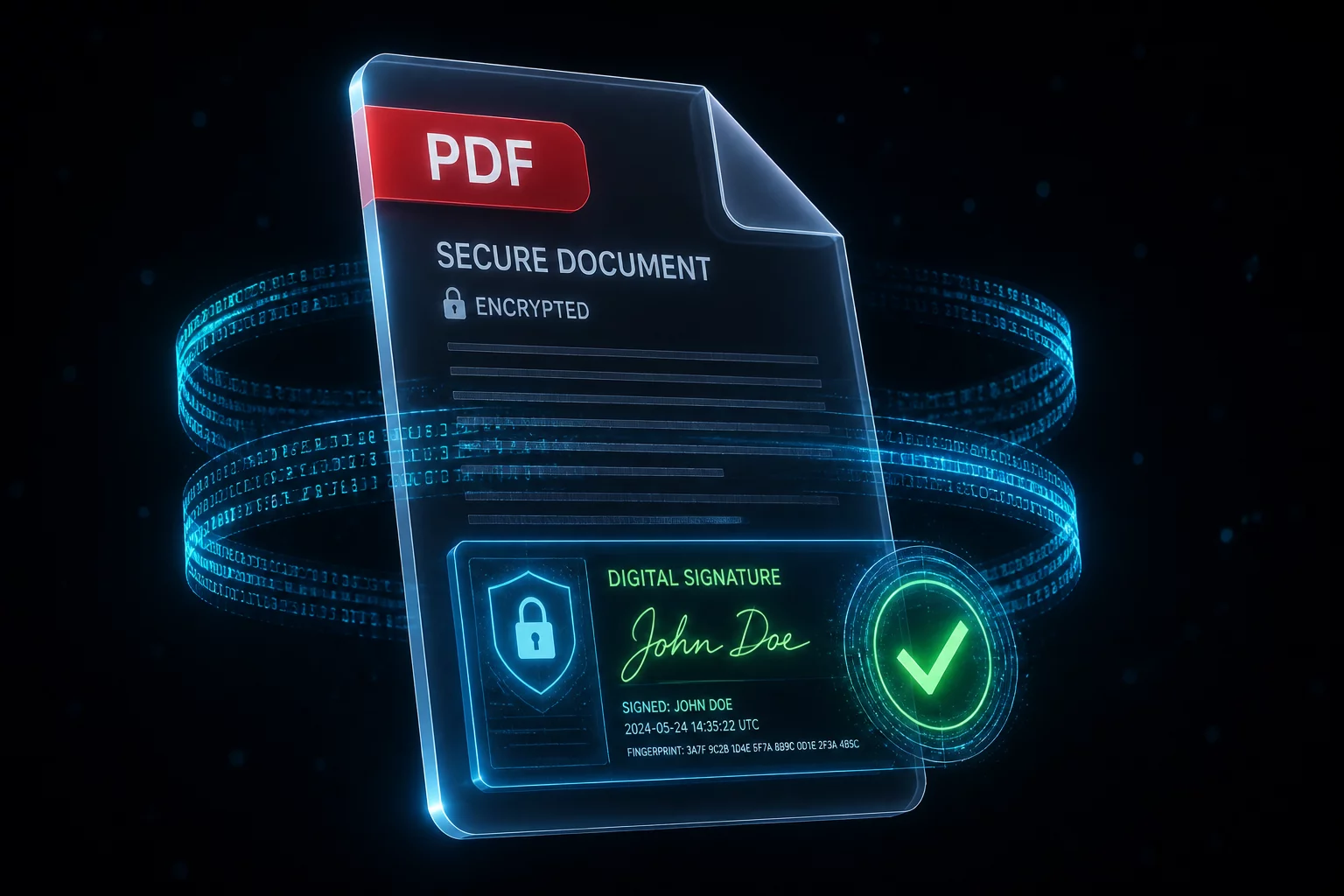
A visual text stamp pasted onto an architectural drawing or shop drawing submittal represents nothing more than cosmetic markup geometry. Anyone possessing basic PDF authoring tools can manipulate, relocate, duplicate, or delete a graphical “Approved as Noted” box without generating any cryptographic warning. When an unresolved coordination clash escalates into a field dispute, legal accountability hinges strictly on whether the approval was sealed with a tamper-evident digital signature backed by an authenticated digital certificate.
Engineering Rule of Evidence
A visual text stamp provides zero cryptographic proof of document origin or content state; true closure non-repudiation requires a PKI-based digital certificate that immediately invalidates upon any subsequent vector modification.
Root Causes for Ambiguous Approvals
Review teams frequently default to standard PDF dynamic stamps because of tool familiarity and speed. However, this workflow introduces severe vulnerability during downstream trade coordination. When drawings are recirculated through subcontractors and fabricators, uncertified markup stamps create false assurances of formal engineering sign-off.
- Flattened text stamps lack document hashing, allowing silent post-approval sheet edits.
- Dynamic stamp date fields pull local machine time rather than certified RFC-3161 timestamp authorities.
- Multi-discipline approvals using visual stamps cannot isolate which consultant approved specific layer markups.
Mandated Resolution Steps
To eliminate ambiguous comment closures and ensure tamper-evident submittal reviews, project teams must execute this four-phase signature validation procedure within Bluebeam Revu 21 or certified PDF environments.
Markup Identification
Isolate preliminary review notes from formal sign-off markups by assigning discipline layers before applying final status stamps.
Cross-Discipline Check
Verify that all contributing consulting engineers have completed coordination responses prior to generating the certificate lock.
Visual Confirmation
Embed the visual stamp appearance simultaneously inside the cryptographic signature field to preserve human readability alongside data integrity.
Permanent Sign-off
Apply the third-party PKI certificate with certified server timestamps to lock the drawing state against subsequent vector alterations.
Executing this protocol ensures every signed milestone document contains verifiable cryptographic roots, making subsequent unauthorized alterations immediately detectable during field inspections.
Regulatory & Field Governance Alignment
Regulatory authorities, insurance underwriters, and state licensing boards increasingly require verifiable electronic seals for construction milestone submittals.
AIA & OSHA Document Rule Alignment
Following the cessation of AIA paper form reprinting in early 2026 and current digital-first submittal standards, contract documents managed under AIA Catina and OSHA compliance guidelines mandate traceable revision histories. Visual text stamps alone do not satisfy the legal evidentiary thresholds for professional engineering approvals under MasterFormat 2026 specifications.
By strictly differentiating internal review stamps from legally binding digital signatures, project leads safeguard the entire project record from costly rework claims and liability finger-pointing.
Frequently Challenged Verification Scenarios
A standalone revision cloud without underlying vector changes constitutes an incomplete revision. Reviewers must reject the closure state until the actual geometric delta is verified and signed under a validated PKI session.
Multi-discipline issues require dedicated markup signature fields for structural, mechanical, and architectural leads. Each discipline applies a distinct cryptographic certificate ensuring partial approvals do not compromise entire drawing sets.
No. While AI algorithms in Revu 21 assist in detecting annotation discrepancies and text inconsistencies, professional responsibility remains exclusively tied to human engineer digital signatures authenticated via secure credentials.
No peer verification notes recorded yet. Be the first to document an audit finding below.