The Core Premise of the Principle
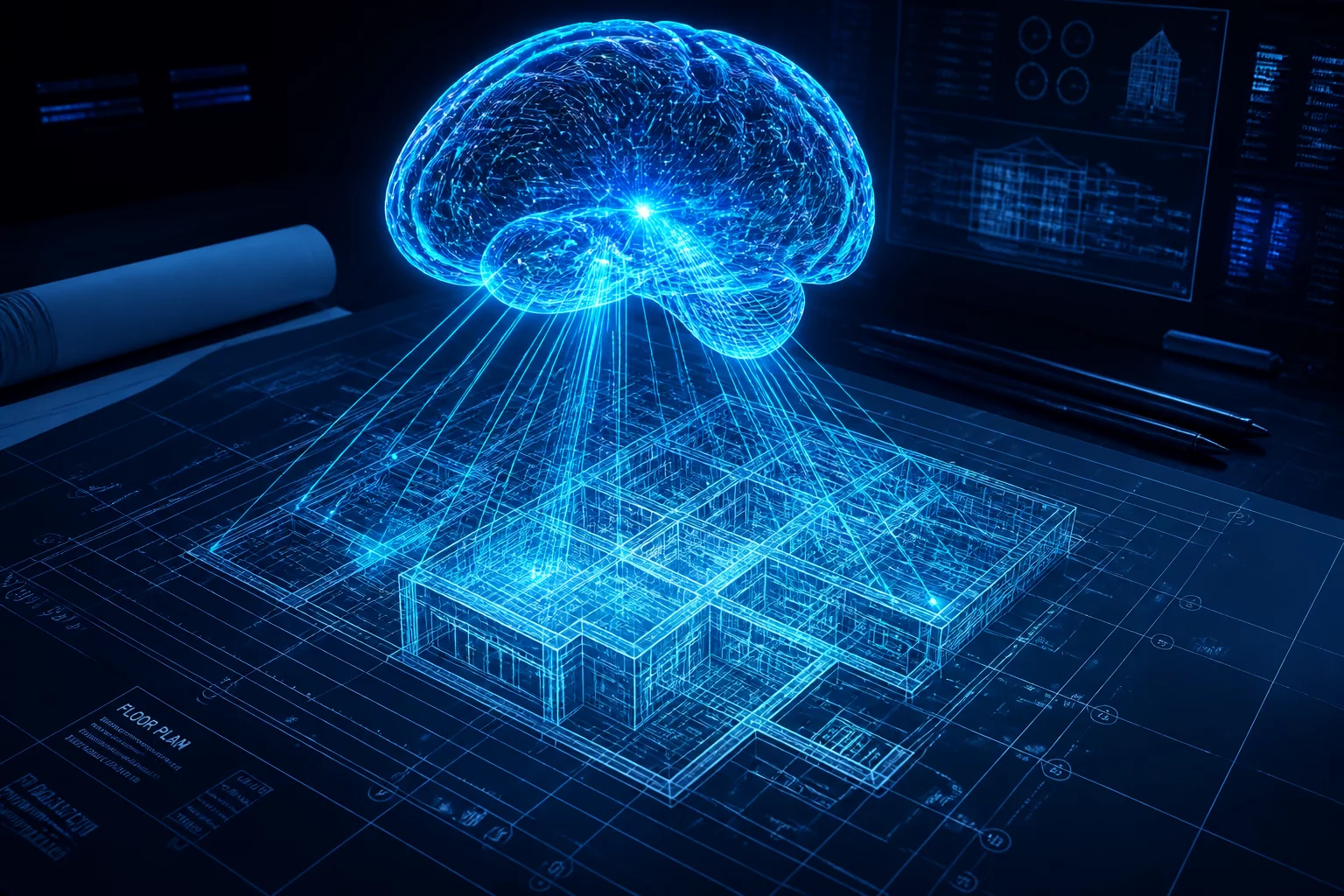
With the rollout of Bluebeam Revu 21.10 Max in mid-2026, artificial intelligence capabilities have transitioned from experimental auto-tagging to contextual drawing delta audits. The fundamental premise of this principle asserts that machine intelligence must operate strictly as an acceleration and verification mechanism, never as an autonomous signatory. In design-build environments, AI processes thousands of markups across complex PDF plan sets in seconds, flagging discrepancies between narrative comment responses and actual vectorized drawing revisions.
Engineering Rule of Evidence
Automated algorithmic comparison tools can highlight raster shifts and semantic discrepancies across revisions, but legal comment closure mandates human engineering sign-off with cryptographic digital validation.
Root Causes for Ambiguous Approvals
Project delivery teams frequently struggle with review volume during submittal deadlines, leading to rubber-stamping or overlooking unverified drawing sheets. Applying machine learning inside the Revu Max environment directly counters several pervasive review failure patterns:
- Discrepancy blind spots where text responses say 'incorporated per mark' but corresponding CAD layers show identical geometry.
- Cross-discipline isolation where structural column shifts are marked complete without verifying mechanical duct routing clearances.
- Incomplete delta verification caused by human fatigue when cross-checking multi-sheet door schedule revisions across large submittal packages.
Mandated Resolution Steps
Incorporating AI features within Revu 21.10 Max requires a standardized four-phase review protocol. This structured flow ensures that automated detections are systematically reviewed, validated, and permanently captured into the audit ledger.
Markup Identification
Revu AI parses all unclosed markups in the Markups List, indexing comment text against target drawing coordinates.
Cross-Discipline Check
Automated layer overlay correlates electrical and mechanical revisions with architectural boundary modifications.
Visual Confirmation
The lead engineer reviews AI delta heatmaps and verifies that physical linework alterations match requested changes.
Permanent Sign-off
The reviewer applies a certified cryptographic digital signature, locking the issue status to Resolved in the project cloud.
By enforcing this sequence, design teams prevent premature status changes while leveraging machine processing speed to eliminate oversight backlogs.
Regulatory & Field Governance Alignment
With the sunsetting of legacy Bluebeam Revu 20 in July 2026 and the universal adoption of digital documentation standards, project verification must satisfy both regulatory mandates and digital chain-of-custody protocols.
AIA & OSHA Document Rule Alignment
AIA paper forms ceased reprinting in February 2026 under the Catina digital mandate, while OSHA regulations require instant digital access to verified field life-safety drawings. AI-assisted comment closure in Revu 21.10 Max satisfies MasterFormat 2026 criteria by preserving an unalterable history of drawing changes alongside certified engineering sign-offs.
Regulatory authorities and forensic claims auditors evaluate closure credibility through complete audit trails. Utilizing AI as a verification engine while preserving individual engineering accountability ensures foolproof project compliance on complex commercial builds.
Frequently Challenged Verification Scenarios
Revu Max AI detects empty revision clouds where no vectorized linework or text changes occurred within the bounded area. The system flags the comment as Incomplete Evidence, prompting the author to supply updated sheet geometry before the issue can transition to verified closure.
When an issue touches multiple trades, Revu Max splits the closure pathway into parallel review requirements. The markup cannot be finalized until each designated discipline lead (structural, mechanical, electrical) provides their individual digital validation.
No. Professional engineering standards strictly prohibit autonomous automated closure. AI summaries serve exclusively as assistive analytical drafts to help licensed professionals verify revisions before applying their legal digital signature.
No peer verification notes yet. Be the first to leave an audit note.